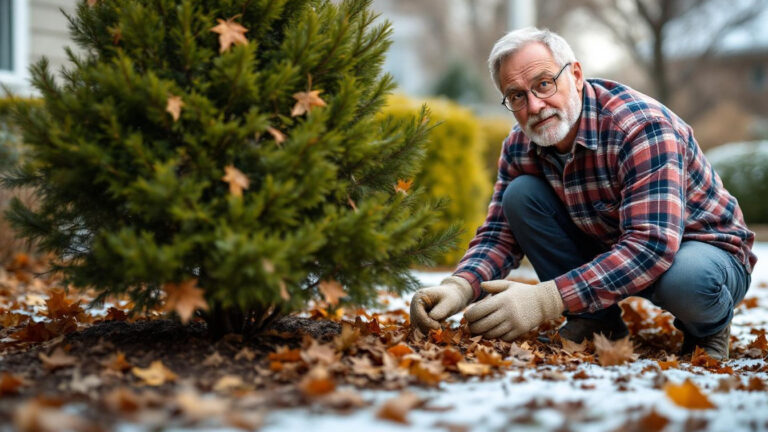
Winter is often overlooked as a prime time for enhancing soil health, yet it’s one of the most effective seasons for building rich, fertile ground that supports vigorous plant growth in spring. While many gardeners may settle into a cozy routine indoors as temperatures drop, the savvy ones know that utilizing dried leaves and other organic matter now can yield the richest soil possible come springtime. With a bit of know-how, you can transform your garden beds into nutrient-dense domains by taking advantage of nature’s chilly months to foster decomposition and microbial activity.
Composting in winter offers several compelling benefits. When leaves break down during the cold months, they add vital organic matter that improves soil structure, fertility, and moisture retention. Techniques such as layering, using kitchen scraps, and applying compost directly to garden beds can effectively supercharge your soil without much effort. As we delve into specific methods, you’ll discover how easy it is to create a thriving ecosystem in your garden that prepares you for a bountiful spring harvest.
- Utilize dried leaves: A natural and free source of nutrients.
- Engage in winter composting: Create compost directly in your garden beds.
- Apply mulch: Protect your soil structure during the cold months.
- Try trench composting: Bury kitchen scraps for slow-release nutrition.
- Explore cover crops: Plant winter greens that enhance soil health.
How to Compost Dried Leaves for Rich Soil
Fallen leaves are nature’s slow-release fertilizer, providing an economical way to build your soil. By shredding leaves and layering them on your garden beds, you kickstart the decomposition process. This method not only enriches your plots but also supports microbial activity that thrives even in cold conditions. As leaves break down, they transform compact soil into a fluffy, loamy texture, further enhancing the goodness your plants will need in spring.
Creating a Winter Compost Pile Right in the Garden
Instead of collecting compost in a separate bin, consider composting directly in your garden beds. Add vegetable scraps, coffee grounds, and other compostable materials straight onto the soil. Cover them with soil or mulch to maintain tidiness and deter pests. Microbial life will actively work on decomposing these materials, resulting in rich humus by the time warmer weather rolls in.
The Lasagna Method: Layering for Nutrient-Rich Soil
Building a lasagna garden during winter offers an innovative way to create nutrient-rich soil. Start with a base layer of cardboard or newspaper to suppress weeds, then alternate layers of leaves, compost, mulch, and straw. This method not only accelerates decomposition but also creates a protective barrier that nourishes soil organisms. By spring, you’ll achieve a soft, rich planting bed that sows the seeds for successful growth.
The $5 Hack That Makes Any Cheap Sled Glide Like a Professional Racing Toboggan
Tips for Composting in Winter
Before you dive in, it’s helpful to keep a few strategies in mind:
- Moisture Management: Keep your compost and garden beds well-moistened, as dry conditions hinder decomposition.
- Insulation: Use straw or hay to prevent water runoff and soil compaction.
- Biochar Addition: Enhance soil fertility by incorporating biochar, which retains nutrients.
Winter Cover Crops: Nature’s Soil Protectors
Planting cover crops such as rye, clover, or winter peas during winter can shield your soil from erosion, while naturally adding nitrogen and enriching your soil when they decompose. As these greens anchor beneficial nutrients, their roots improve aeration and structure in your soil. Come spring, these crops can be chopped and turned back into the soil, boosting nutrient levels for new plants.
Encouraging Worm Activity for Optimal Soil Health
Well-managed mulch can create a hospitable environment for worms to thrive even in colder months. A thick layer of mulch insulates your soil, sustaining moisture levels that worms require to continue aerating and enriching it. Plus, increasing worm populations leads to enhanced soil fertility as more nutrients become available to plants over time.
Leveraging the Freeze-Thaw Cycle
Believe it or not, winter’s natural freeze-thaw cycles can significantly improve your soil. As the water in the soil expands and contracts, it helps break up clumps and relieve compaction. When you add compost, dried leaves, and organic material, you amplify this natural process, enabling deeper incorporation of nutrients. By the time spring arrives, expect softer, lighter, and richer soil ready for planting.
Final Words on Winter Composting
Don’t let winter be a dormant time for your garden; embrace it as a powerful opportunity to cultivate rich soil using composting techniques. Whether you’re layering leaves, trenching scraps, or sowing cover crops, these strategies will facilitate nutrient recycling and ensure your soil is primed for a vibrant growing season.