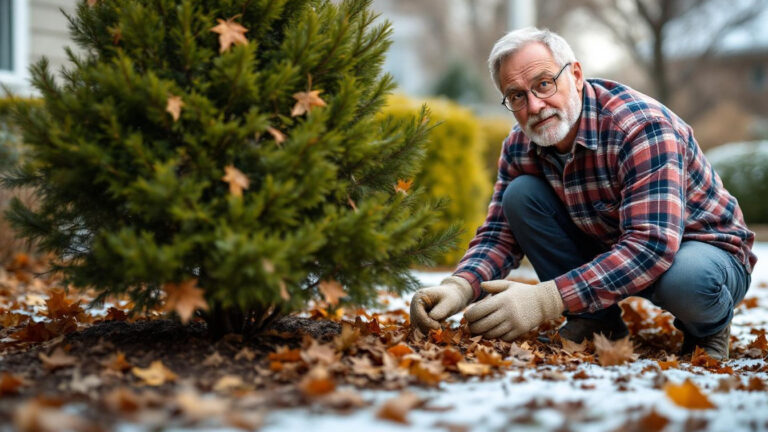
As autumn settles in and neighborhoods transform into a tapestry of color, many homeowners prepare for the ritual of raking leaves. But why do some savvy homeowners forgo this age-old task? With increasing awareness about sustainable practices, there’s a growing argument against traditional leaf cleanup methods. Rather than treating fallen leaves as mere debris, consider their potential as natural fertilizers and wildlife habitats. Experts suggest that leaving leaves on the ground can benefit your garden, save time, and support local ecosystems. So, as the air turns crisp and the leaves begin to blanket the ground, it’s time to reconsider your fall lawn care routine.
In this article, we’ll explore:
- The environmental benefits of leaving leaves
- Why some lawn care experts recommend a partial raking
- Practical tips for effective leaf management
- Sustainable practices to enhance your yard maintenance
Why Leaving Fall Leaves is Beneficial for Your Yard
The idea of leaving leaves on your lawn isn’t just a trend—it’s backed by expert advice. Spencer Campbell, manager of the Plant Clinic at the Morton Arboretum, explains that fallen leaves can be tremendous assets in maintaining a healthy garden ecosystem. Here are a few compelling reasons to reconsider raking:
- Natural Mulching: Fallen leaves act as a natural mulch, insulating soil and protecting plant roots from temperature extremes.
- Soil Enrichment: As leaves decompose, they add nutrients back into the soil, acting as an organic fertilizer.
- Wildlife Support: Scattered leaves provide habitat for insects, like butterflies and native bees, which are crucial for pollination.
Understanding When Raking May Be Necessary
While the benefits of leaving some leaves in place are clear, an untouched yard could lead to some challenges. Here are a few points to keep in mind:
- Wheat Mats of Leaves: A thick layer of leaves might smother the lawn, trapping moisture and inhibiting grass growth.
- Curb Appeal: A uniform leaf layer can enhance the autumn aesthetic, but soggy piles detract from your home’s appearance.
- Pest Attraction: Piles of damp leaves may attract pests near your home, leading to infestations.
The Best Practices for Leaf Management
A balanced approach is key. According to experts, the optimal method involves systematic leaf management rather than complete neglect or obsessive raking. Here are actionable suggestions to help you navigate your yard maintenance:
Atmospheric River Alert: California Braces for Major Flooding Risk This Weekend
- Move Leaves to Garden Beds: Instead of piling leaves on your lawn, bonus tip: blow or rake leaves into your garden areas.
- Create a Compost Pile: If you don’t have garden beds, consider establishing a designated corner for composting leaves.
- Stay Informed on Local Regulations: If your municipality offers leaf pickup, ensure you know if the leaves are composted or dumped in a landfill.
Crucial Points to Remember During Autumn Cleanup
As you embark on your autumn cleanup, keep these essential strategies in mind:
- Avoid Clogging Drains: Keep leaves out of storm drains to minimize flooding issues.
- Protect Your Home’s Foundation: Avoid leaving leaves near your foundation where moisture can lead to mold and rot.
- Make Your Walkways Safe: Removing leaves from sidewalks and entrances prevents slips and falls during wet conditions.
Ultimately, managing your fall leaves doesn’t have to be a backbreaking chore. By implementing these eco-friendly gardening practices, you can enjoy a beautiful yard while contributing to a healthier environment.