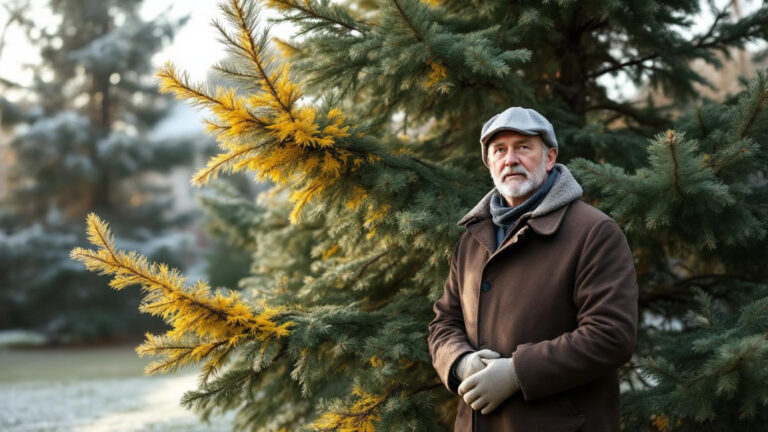
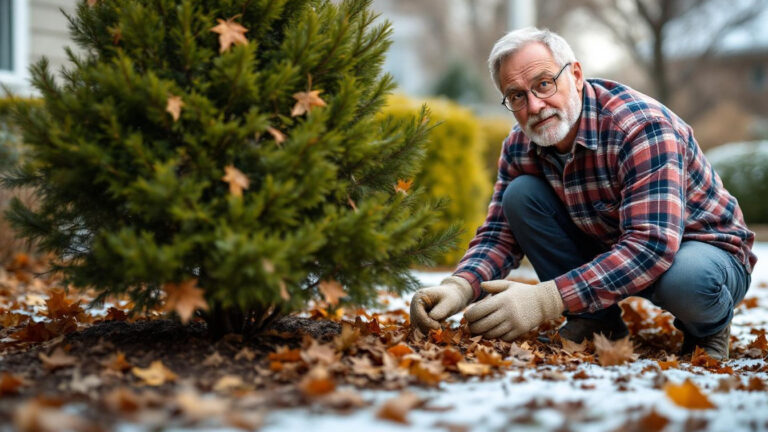
After a winter ice storm, assessing the condition of tree limbs around homes becomes crucial. The weight of ice can cause significant damage, posing risks to safety and property. Ignoring potential hazards can lead to costly repairs or even serious accidents. Understanding how to properly inspect tree limbs can not only protect your home but also ensure the health of your trees long-term.
Regular inspections after winter storms play a vital role in tree maintenance and safety. This season, homeowners must prioritize these checks due to the prevalence of ice storm effects that can weaken trees and create dangerous situations. With the right knowledge, it’s possible to assess damage effectively, remove hazards, and preserve the beauty and integrity of your landscape.
- Inspect tree limbs for signs of damage after an ice storm.
- Prioritize home safety by identifying tree limb hazards.
- Schedule removal or pruning as necessary to maintain tree health.
- Consider the timing for corrective pruning to minimize stress on trees.
- Consult professionals for severe damage assessments and repairs.
Essential Steps for Tree Limb Inspection After an Ice Storm
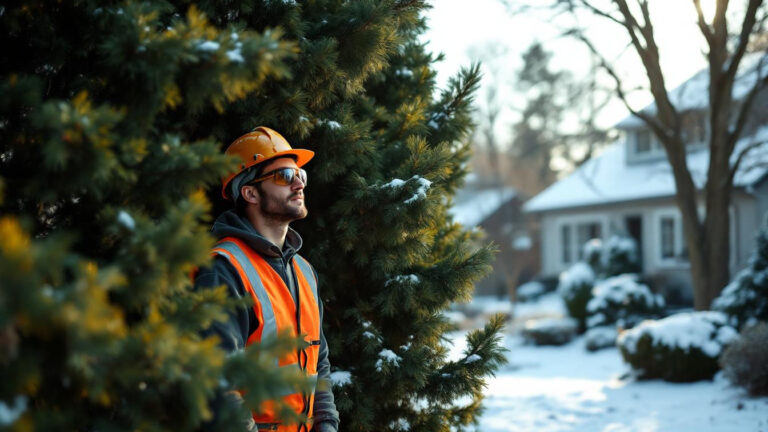
Homeowners should start with a comprehensive tree limb inspection immediately following an ice storm. Begin by surveying the area around your property, looking for any limbs that appear broken or are hanging precariously. Use binoculars to safely inspect from a distance, avoiding risky situations where limbs might fall.
What to Look For
When conducting an inspection, focus on these critical areas:
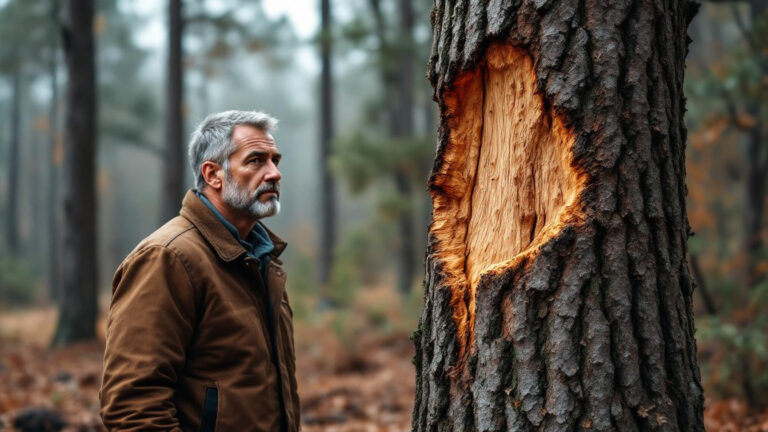
- Cracks or Splits: Look for any visible cracks or splits in the tree bark or limbs, as this indicates structural weakness.
- Hanging Limbs: Identify limbs that are bent under the weight of ice but not fully detached.
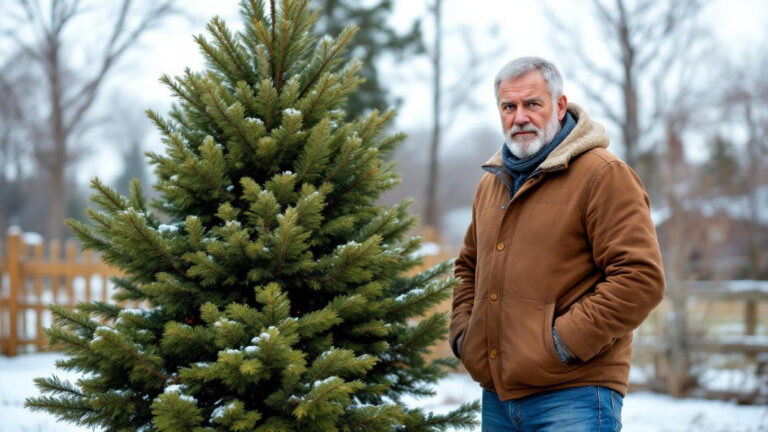
- Leaning Trees: Ensure that no trees have shifted significantly from their original position.
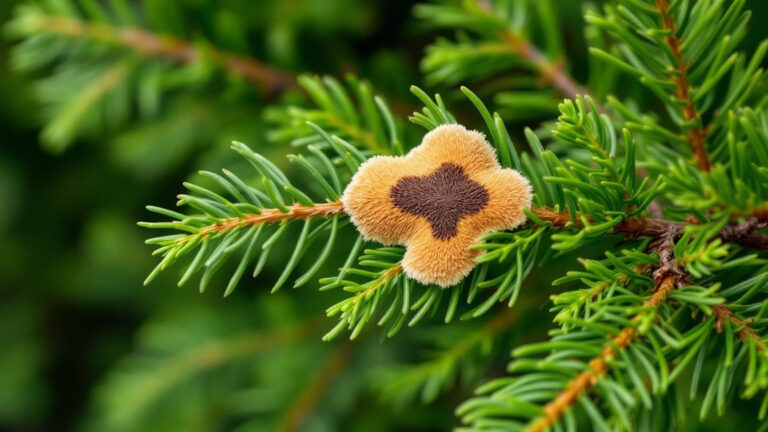
- Fungal Growth: Check for any signs of fungus, which can indicate decay and further weaken the tree.
Understanding Ice Storm Effects on Trees
The aftermath of an ice storm can leave trees vulnerable to various issues. The added weight of ice can lead to both immediate and long-term negative effects on tree health. Trees with extensive damage may require removal, especially if they pose a storm safety risk.
Set Your Alarm for 2 AM Tonight — You Don’t Want to Miss the Best Meteor Shower of 2025
It’s essential to monitor the overall condition of your trees in the months following an ice storm. Weak trees may become more susceptible to pests and diseases, complicating future maintenance efforts.
Addressing Tree Damage
Here are some actionable tips for managing tree damage:
- Immediate Response: Remove any immediate hazards from your property, especially broken limbs that could fall.
- Professional Assessment: For severe damage, hiring a certified arborist can provide insights into the best course of action.
- Timely Pruning: Wait until late winter or early spring for corrective pruning to help the tree recover effectively.
Long-Term Tree Maintenance Strategies
Effective tree maintenance after an ice storm involves regular checks and proactive care. Incorporating seasonal assessments can greatly improve the resilience of trees against future storms.
Consider these long-term strategies to maintain tree health:
- Structured Pruning: Maintain tree structure through regular pruning to prevent limb breakage.
- Soil Health: Promote healthy root systems through proper soil care and nutrients.
- Watering Practices: Ensure trees are adequately watered during dry spells to help them recover from storm damage.
| Danger Signs | Actions to Take |
|---|---|
| Cracked Limbs | Remove or prune affected areas to prevent further damage. |
| Hanging Limbs | Carefully assess for removal if they pose a hazard. |
| Fungal Growth | Consult with a professional to evaluate tree health. |
| Leaning Trees | Evaluate support options or removal as necessary. |