Winter is a transformative season for gardens, however, it can also bring a host of uninvited wildlife. As temperatures drop, animals including deer, rabbits, and squirrels can turn your garden into their personal buffet. Understanding how to keep wildlife at bay while maintaining a thriving garden becomes essential. Implementing effective strategies not only preserves your plants but also promotes garden safety and ensures your space remains a sanctuary rather than a feeding ground for garden pests.
The key to successful wildlife prevention lies in a combination of proactive measures and natural deterrents. Understanding what attracts animals to your garden allows you to create an unwelcoming environment. This guide dives deep into practical tips for keeping unwanted visitors away, from choosing the right plants to creating physical barriers and employing natural barriers. Embrace the chill in the air — savvy outdoor enthusiasts know that winter gardening can flourish with the right techniques.
Understand Why Wildlife Invades Your Garden
Wildlife is drawn to gardens primarily for three reasons:
- Food Sources: Many animals are enticed by the fruits, vegetables, and flowers thriving in your garden.
- Shelter: Dense foliage and compost piles can serve as protection and nesting areas.
- Water Access: Gardens frequently supply accessible water, especially during dry spells.
Choosing the Right Plants for Your Garden
Selecting appropriate plant varieties can have a significant impact on keeping wildlife at bay. Incorporate plants that deter common pests while enhancing the aesthetic of your space:
- Spicy or Bitter Herbs: Lavender and mint are generally unappealing due to their strong scents.
- Unpalatable Vegetables: Onions and garlic are typically avoided by many animals.
- Thorny Bushes: Roses and blackberries serve as natural barricades against larger animals.
| Plant Type | Wildlife Deterrent Quality |
|---|---|
| Lavender | Strong fragrance deters herbivores. |
| Garlic | Unpalatable to many critters. |
| Thorny Bushes | Physical barrier against larger animals. |
Implementing Physical Barriers
When wildlife becomes a persistent problem, physical barriers are often the most reliable solution. Installing a fence can provide a formidable line of defense:
The Best DIY Fire Pit Ideas for Cozy Evenings Outside
- Wire Fencing: Ideal for small creatures; ensure it’s at least 2-3 feet high.
- Deer Fencing: Should stand at least 8 feet tall with sturdy materials.
- Maintenance: Regularly check for gaps or damage to bolster your garden’s defenses.
Natural Deterrents and Garden Safety
Utilizing natural deterrents can effectively dissuade wildlife from entering your garden:
- Repelling Scents: Use cayenne pepper or human hair around vulnerable areas.
- Textured Materials: Chicken wire around young plants creates an unwelcoming surface.
- Visual Deterrents: Reflective tapes and wind chimes distract and discourage animals.
| Deterrent Type | Description |
|---|---|
| Motion-Activated Sprinklers | Startles animals with bursts of water. |
| Sound Devices | Noisemakers help keep wildlife at a distance. |
Caring for Your Garden During Winter
Seasonal plant care is critical during winter, especially in maintaining garden protection:
- Pruning Timing: Delay pruning until late winter to maintain shelter for birds.
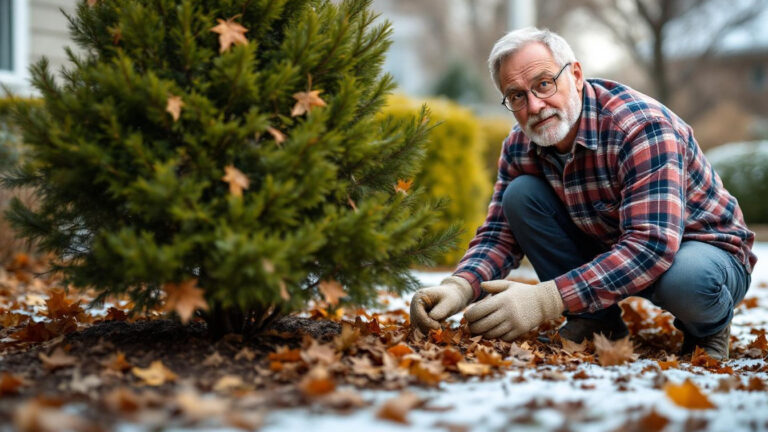
- Leaf Coverage: Use leaves to insulate plant roots, preventing frost exposure.
- Water Sources: Consider placing heated birdbaths for nearby wildlife.
Building a Wildlife-Friendly Space
Creating a wildlife-friendly space can provide balance rather than exclusion:
- Wildlife Gardens: Plant natives away from vulnerable crops to cultivate other wildlife.
- Compost Piles: Offer shelter while enhancing soil quality.
- Biodiversity: Boosting diversity in the garden helps create a sustainable ecosystem.
| Wildlife-Friendly Strategy | Benefit |
|---|---|
| Wildlife Gardens | Provide habitats while protecting main crops. |
| Compost Piles | Good for soil and shelter, facilitates local life. |