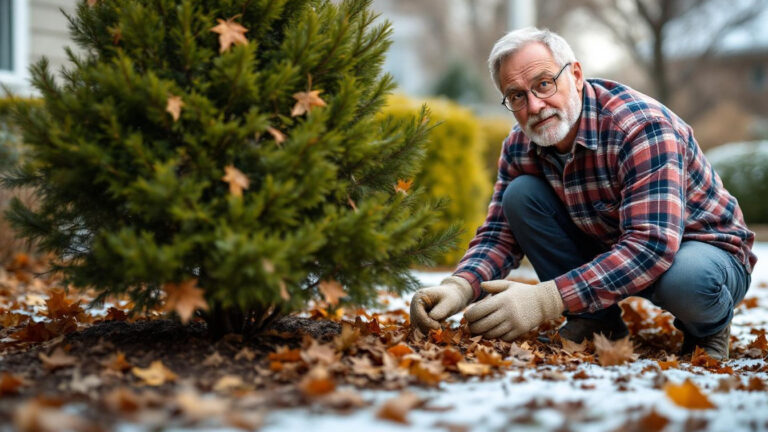
Pine trees are a hallmark of American landscapes, known for their resilience and aesthetic appeal. However, improper maintenance, particularly during pruning, can lead to long-term damage that often goes unnoticed until it’s too late. A single bad cut can impair a pine tree’s overall health, affecting its growth and physiological processes for years. This delayed impact is due to the complex nature of tree physiology, which relies on a delicate balance of sap flow and energy distribution. Understanding this process can help homeowners make more informed decisions when it comes to maintaining these wonderful evergreens.
Maintaining the health of pine trees is crucial, especially considering their susceptibility to diseases and pests that can wreak havoc over time. A poorly executed cut can introduce tree wounds, disrupt nutrient transport, and result in significant tree damage. With a clear eye on tree recovery and proactive care strategies, it’s possible to mitigate the adverse effects of a bad cut and ensure the vitality of pine trees for years to come.
Understanding the Long-Term Effects of Bad Cuts on Pine Trees
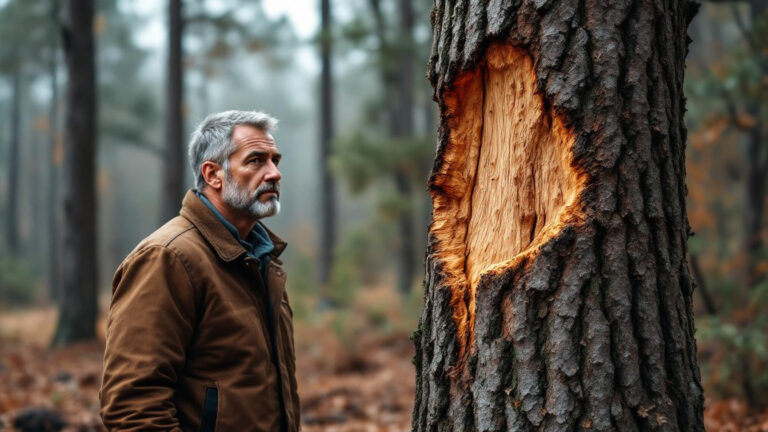
When a cut is made incorrectly—such as cutting too close to the trunk or removing too large a limb—the tree’s healing process becomes compromised. This can lead to disruptions in sap flow, which is vital for transporting nutrients and maintaining tree growth. The delayed effects of these cuts may not manifest immediately, potentially leading to significant issues years down the line, including susceptibility to disease and stunted growth.
Key Factors Influencing Tree Health Post-Cut
Several factors come into play after a bad cut is made:
- Tree Wounds: The size and location of the wound affect how quickly and effectively a tree can heal.
- Sap Flow: Disruption in sap flow can impede the distribution of essential nutrients needed for recovery.
- Compromised Structure: A weak limb structure may lead to future branch failures or breakage.
Signs of Delayed Damage from Bad Cuts
Be vigilant of these signs that may indicate future problems as a result of improper cuts:
The Free Insulation Sitting in Your Yard That Protects Pipes From Freezing
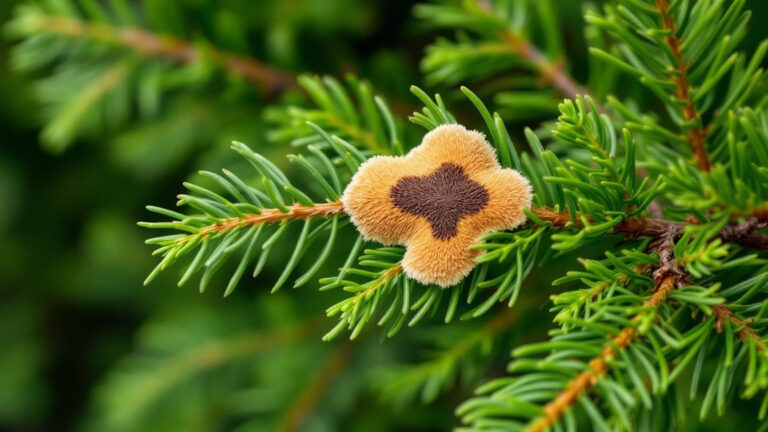
- Discolored Needles: Changes in color, particularly browning in sections, can signal underlying issues.
- Excessive Needle Drop: Early or frequent needle loss is indicative of stress or disease.
- Poor Growth: Stunted growth over the years may be tied to nutritional deficiencies stemming from disrupted sap flow.
Actions to Promote Recovery
To help rectify the effects of a bad cut and promote recovery in your pine tree, consider these approaches:
- Watering: Ensure your tree remains well-hydrated, especially during dry spells.
- Fungicide Applications: Prevent diseases by applying fungicides in early spring.
- Professional Consultation: Engage a certified arborist for advice tailored to your tree’s specific needs.
Understanding Pine Tree Physiology and Health
Appreciating how pine trees operate can foster better care practices. These evergreens function through a closed system where water and nutrients circulate with the flow of sap. Any interruption in this system—due to improper cuts—can have cascading effects, leading to long-term decline.
| Effects of Bad Cuts | Signs to Watch For | Remedial Actions |
|---|---|---|
| Impairment of sap flow | Discolored needles | Regular watering |
| Increased risk of disease | Excessive needle drop | Fungicide treatments |
| Weak branch structures | Poor growth | Consulting an arborist |
In understanding these elements, homeowners can take actionable steps to safeguard their pine trees. Strategies such as proper pruning techniques, timely treatments, and professional guidance can not only enhance tree health but also extend their lifespan, ensuring these majestic trees thrive for generations.