Evergreen hedges are a stellar addition to any garden, providing privacy and structure. However, many homeowners might find their once-vibrant foliage fading, turning brown from within. This decline often goes unnoticed until it’s too late, leading to increased frustration. Understanding the underlying issues is crucial for proper hedge maintenance, especially in December when cold weather conditions put additional stress on plants. Take the time to identify potential problems, such as nutrient deficiencies, pest infestations, or diseases that may affect tree health. Recognizing the signs early on can help preserve your investments and maintain a striking landscape throughout the winter.
Brief
- Brown needles often indicate internal decay due to environmental stressors.
- Pest infestations like aphids can weaken your hedges significantly.
- Regular hedge maintenance plays a vital role in preventing diseases.
- Check for soil drainage issues that can lead to root rot.
- Identify nutrient deficiencies early to sustain hedge growth.
Identifying the Symptoms of a Dying Evergreen Hedge
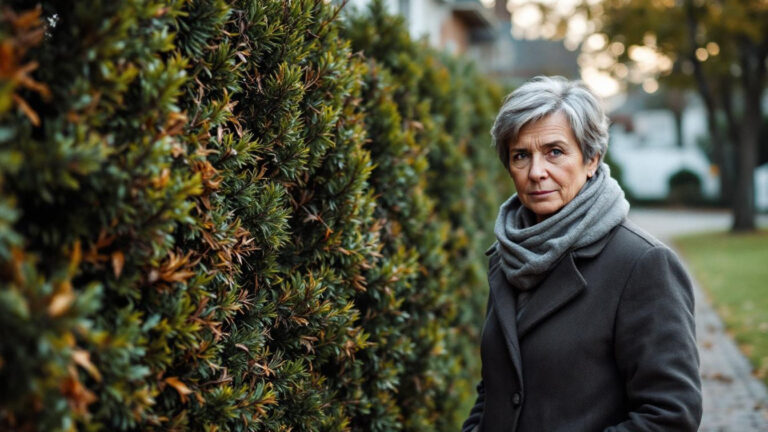
When evergreen hedges begin to show signs of distress, several visual cues can help diagnose the issue. One notable indicator is browning needles located primarily at the inner portions of the hedge. This can signal a failure to receive adequate light due to overgrowth or insufficient air circulation. Inspect the hedge for consistency in color from top to bottom; patches of brown or a general fading of color can often mean that the plant is stressed.
Understanding Environmental Stressors
Various environmental factors, including extreme weather, poor drainage, or incorrect watering practices, can lead to plant stress. Seasonal changes, particularly harsh winters, can elevate these concerns. Evergreens may naturally shed older needles, but excessive yellowing or bronzing signals underlying health issues. Heavy frost, high winds, or dry conditions can trigger these reactions.
Common Plant Diseases Affecting Evergreens
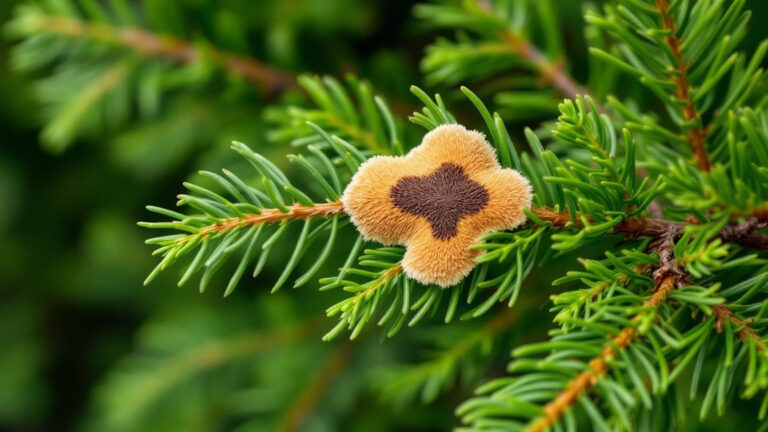
Diseases like powdery mildew and blight are prevalent among evergreen hedges. Powdery mildew presents itself as a white, dusty film on the leaf surface, typically exacerbated by humidity and limited airflow. Meanwhile, blight manifests via dark spots and can lead to severe defoliation if left untreated. Regular inspection for these symptoms combined with early removal of debris can mitigate risks significantly.
The Free Insulation Sitting in Your Yard That Protects Pipes From Freezing
Tackling Soil and Drainage Issues
Poor soil drainage not only hampers growth but may also lead to serious conditions like root rot. This issue is often accompanied by lingering moisture that creates a breeding ground for harmful fungi. Amending soil with compost can improve moisture retention while ensuring sufficient drainage. Don’t forget to observe the general health of the soil; consistent watering and proper mulching can go a long way in sustaining healthy hedge growth.
Addressing Pest Infestations
Aphids and other pests can quickly overwhelm evergreen hedges, leading to nutrient deficiencies that affect overall health. These sap-sucking insects tend to cluster, making them easier to identify. If leaves appear distorted or discolored, it may be time for intervention. A strong jet of water can help dislodge them, but for more extensive infestations, introducing natural predators like ladybugs may offer a more sustainable solution.
Preventive Measures for Healthy Evergreen Hedges
Maintaining the health of your evergreen hedge involves a multifaceted approach. Regular pruning not only promotes airflow but is essential for tree health, allowing light to reach all parts of the hedge. Using mulch aids in soil moisture retention while also reducing competition from weeds. Monitoring your plants’ nutrition and timely interventions can foster robust growth throughout the years.
| Disease/Pest | Symptoms | Treatment | Prevention |
|---|---|---|---|
| Powdery Mildew | White powdery coating | Improved airflow, fungicides | Regular pruning, avoid overcrowding |
| Blight | Dark spots, defoliation | Copper fungicides | Remove debris, healthy watering |
| Aphids | Distorted leaves, honeydew | Strong water spray, natural predators | Encourage beneficial insects |
| Root Rot | Yellowing foliage, wilting | Improve drainage, soil amendments | Water management, soil quality |